

3.2.2. Sun Salutation
The Sun Salutation (Surya Namaskar) is a series of 12 asana or 12 body postures performed in a certain order.
A correct and regular practice of this technique stimulates balance in the functioning of the chakras and the activation of physical and spiritual functions of the body, and integrates them.
Although the exercises, as a rule, require thirty repetitions or sixteen rounds, a few repetitions also suffice.
I recommend that you do the exercises described in your own taste and in line with the purpose, because there are different versions of how to perform the exercises according to the goal pursued. In all versions, there are the same asana, and so a therapist does not need a special study of different ways of doing them. The basic version with one to three rounds daily will be enough.
Twelve postures or asana
The exercises are done connectedly, one after another, in two repetitions of 12 asana, i.e. one round with 24 body postures. The postures 4 and 9 in the first part of the round are started with the left leg, and in the second part with the right leg. After completing all the rounds for the day, lie down on the back, relax the arms with the palms facing the sky, slightly spread our legs and have a rest in this position.
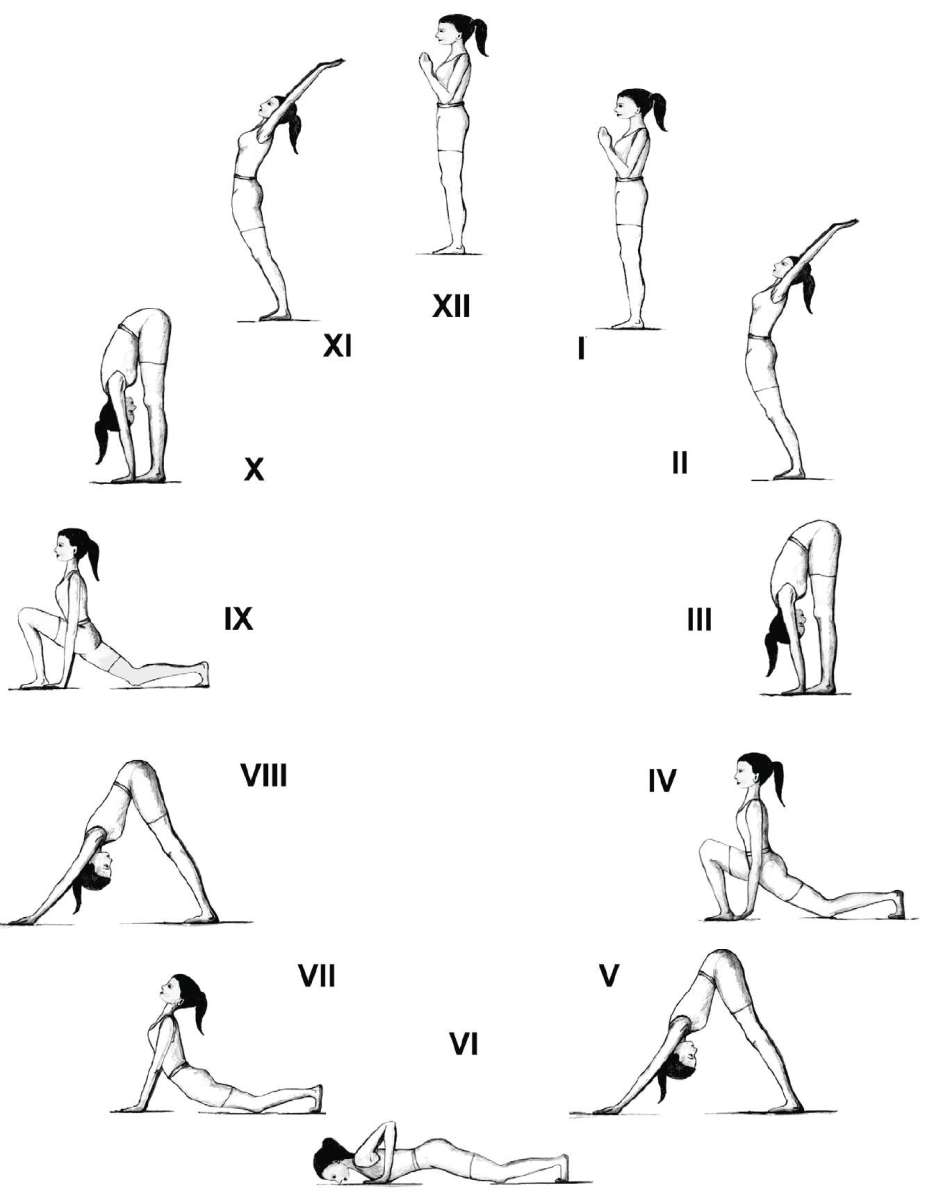
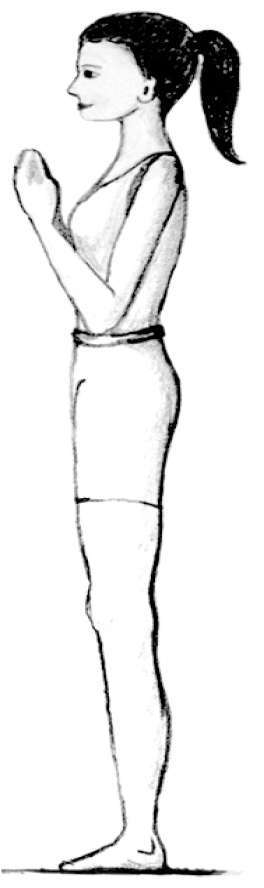
1. Prayer pose (pranamasana)
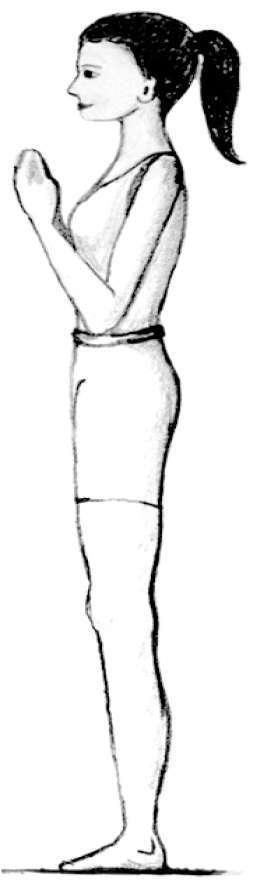
Stand upright, with the feet together or slightly apart; bring the hands together palm-to-palm, like when praying. This posture is called namaskara mudra. Exhale fully. The weight is evenly distributed throughout the body; we are aware of the pressure of the hands and the feeling in the chest.
2. Raised arms pose (hasta uttanasana)
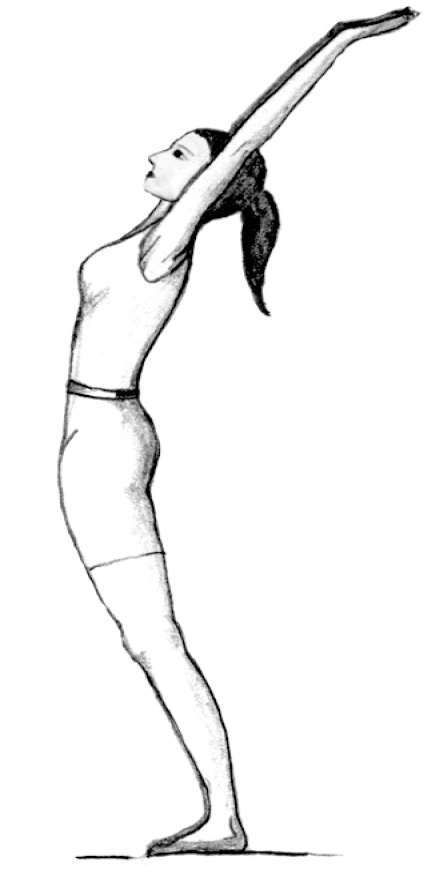
Inhale and raise the arms upward. Bend the body above the waist backward, push the hips front; the legs should be as straight as possible. Lean the head as backward as possible to the point where it is still comfortable. Be aware of the arching of the upper back.
3. Foot-to-hand forward bend pose (padahastasana)
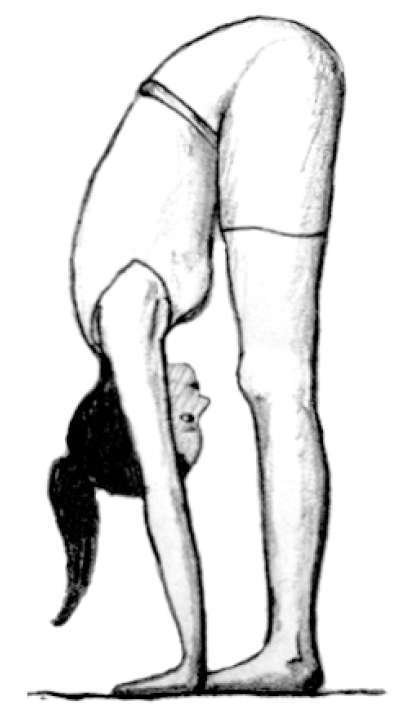
Exhale and bend forward from the hip joints. Put the hands down next to the feet. If necessary, bend the knees a little. The head is at the knees; the back should remain flat. Focus on the pelvis, and on the stretching of the back and the leg muscles.
muscles.
4. Equestrian pose (ashwa sanchalanasana)
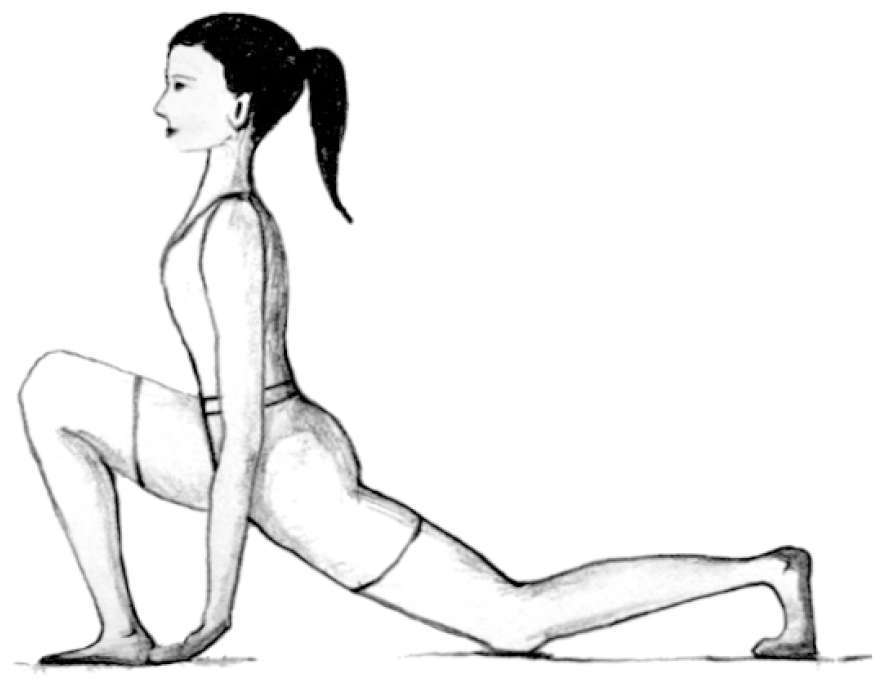
Inhale and push the left leg backward, putting the knee and the toes on the floor. Look up with a raised chin, while maintaining balance with the fingers. Be aware of the centre between the eyebrows, into which the tension along the front part of the body flows. Open your eyes.
5. Downward dog pose (parvatasana)
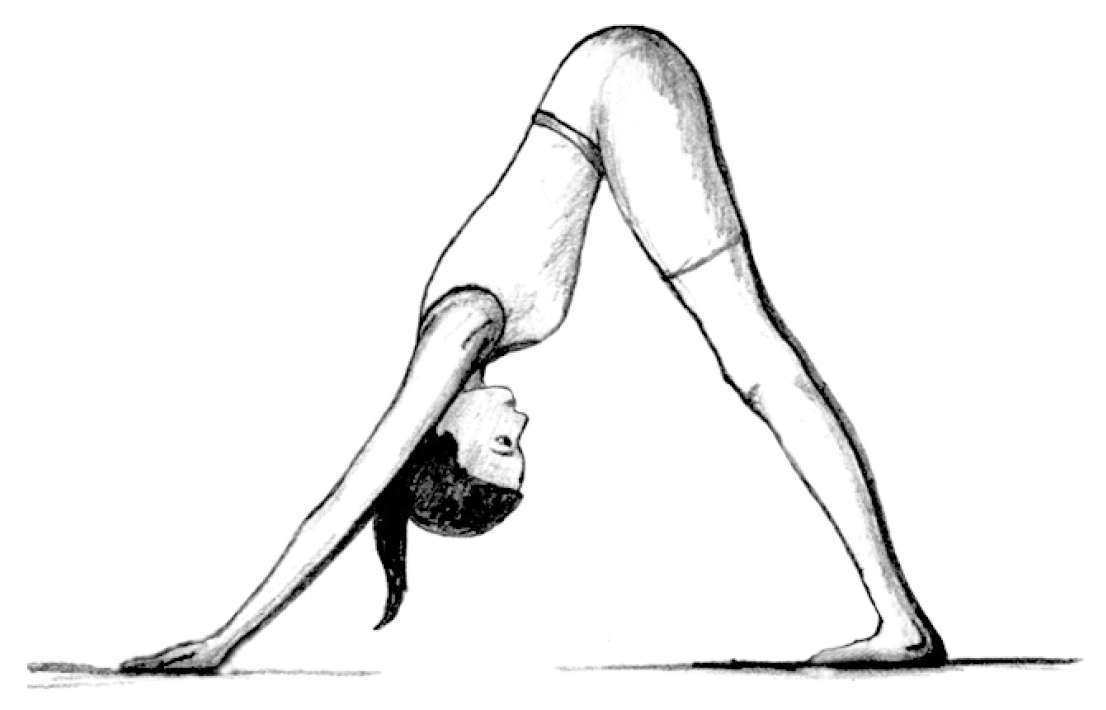
Retain your breath and stretch the right, i.e. the other, leg, bringing it together with the left leg. Simultaneously, put the head between the arms and raise the hips so that the body forms a triangle. As you raise the hips, you exhale. The heels should be on the ground, the head between the arms, so that you can see your knees. Focus on the neck.
6. Salute with eight limbs pose (ashtanga namaskara)
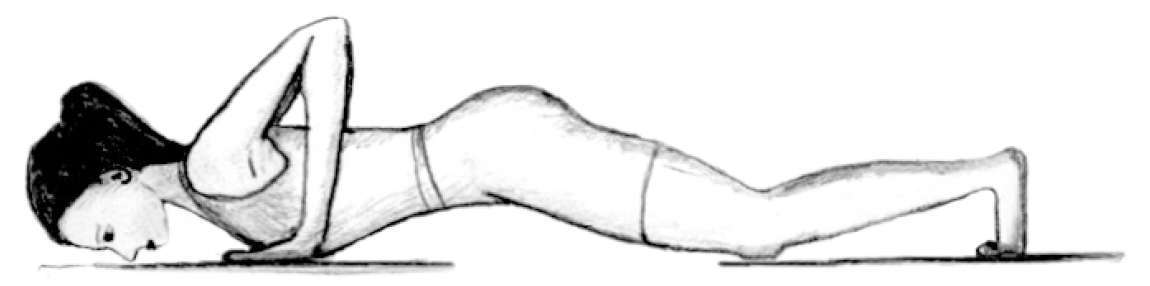
Bend the knees and put them on the floor. Then put down the chest and finally the chin. The hands, the chin, the chest, the knees and the balls of the feet are touching the floor. The spine is curved. From posture five onwards retain your breath after exhaling, with the lungs remaining empty, without air. This is the only exercise and the only moment where we breathe in and out several times. Focus on the centre of the body or on the muscles of the back.
7. Cobra pose (bhujangasana)
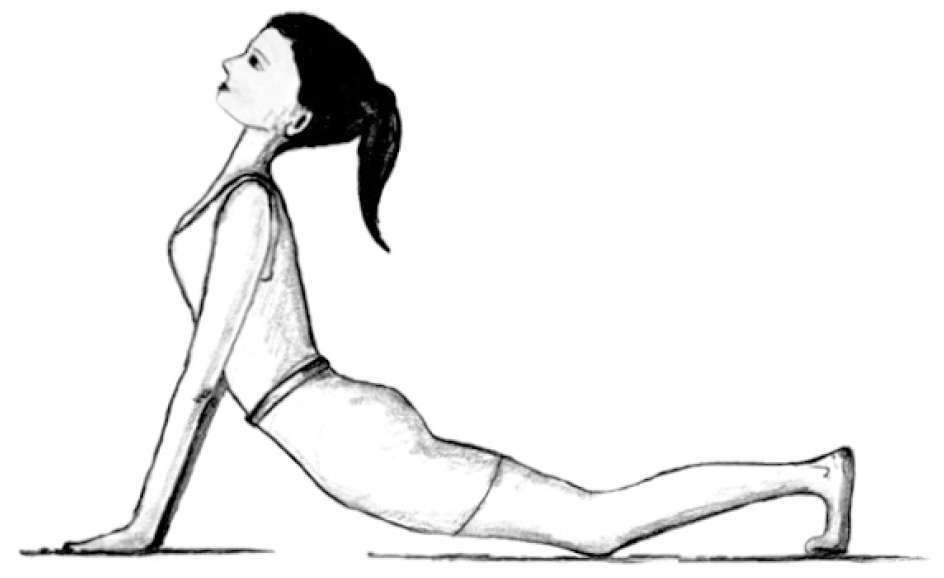
Lower the hips and use the hands to push the chest front and upward, all until the spine hardens and the head turns upwards. The feet and the lower part of the belly are on the floor. Inhale as you raise the chest front and upward. Focus on the lower part of the spine.
8. Downward dog pose (parvatasana)
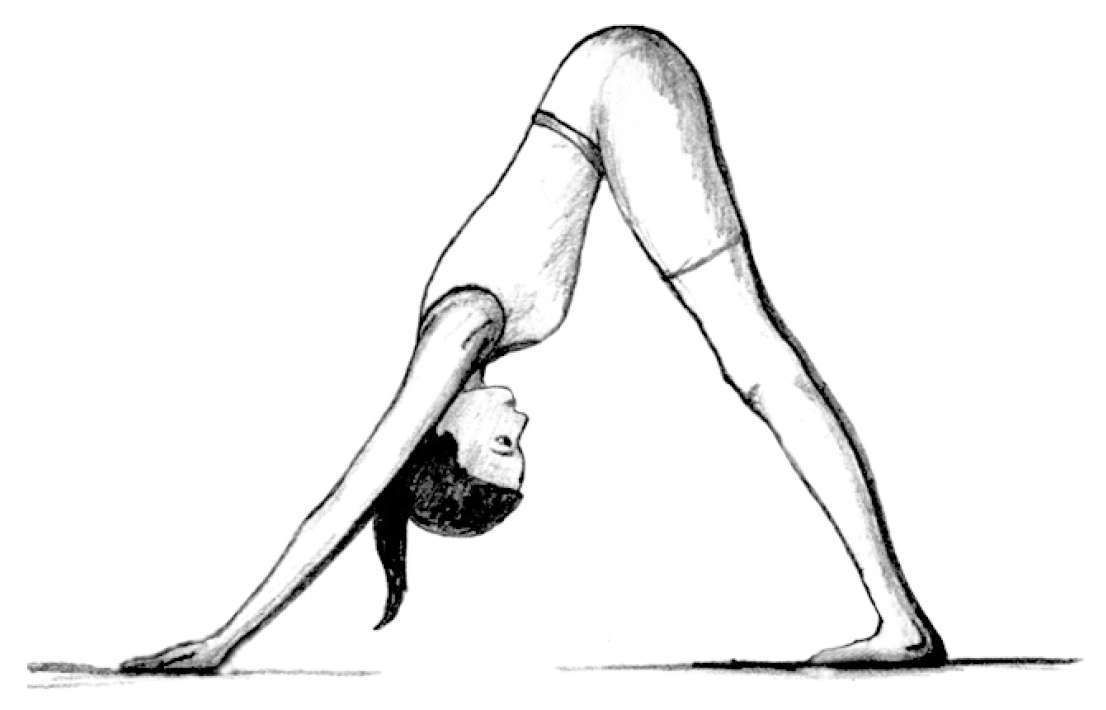
The arms and the legs are still straight, as you raise the hips and move the head down between the arms, like in posture five. Exhale as you do this exercise.
9. Equestrian pose (ashwa sanchalanasana)
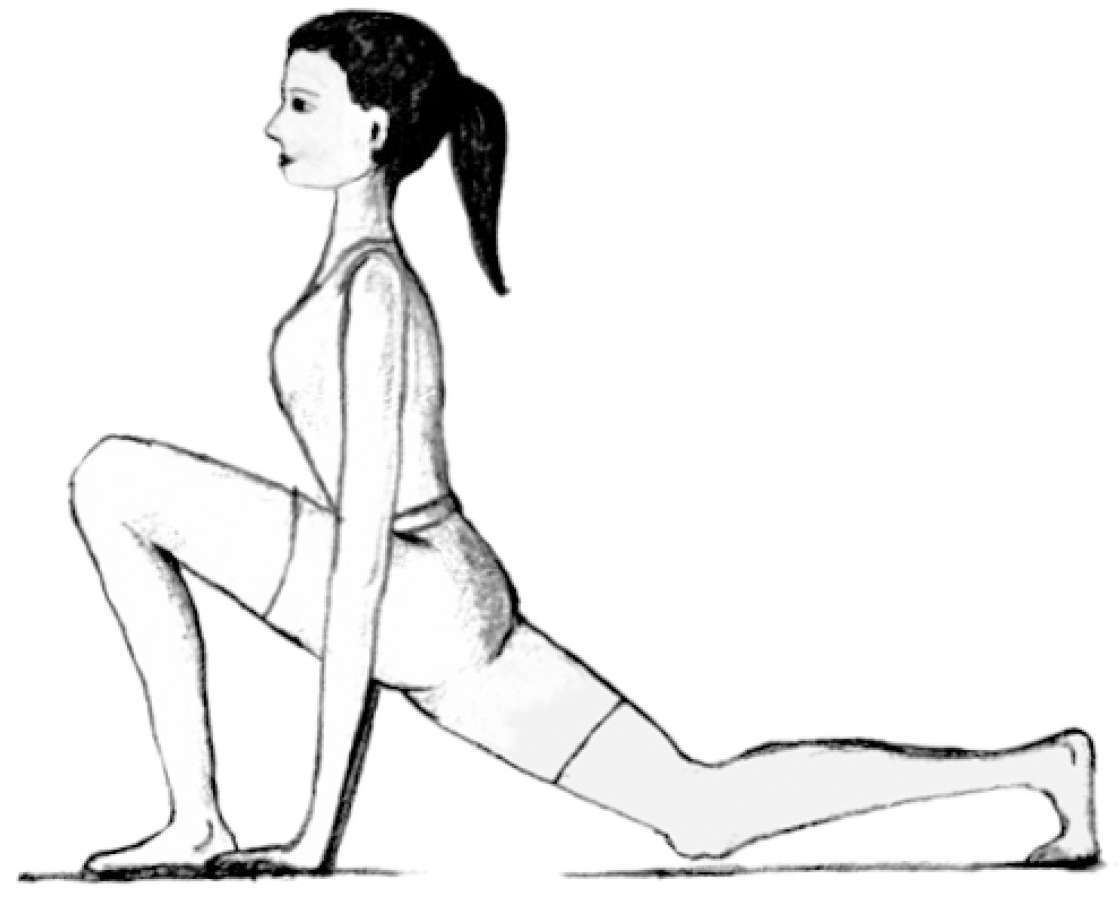
Push the left leg front between the arms. Simultaneously, lower the right knee on the floor, raise the head and harden the spine like in posture four. Inhale.
10. Foot-to-hand forward bend pose (padahastasana)
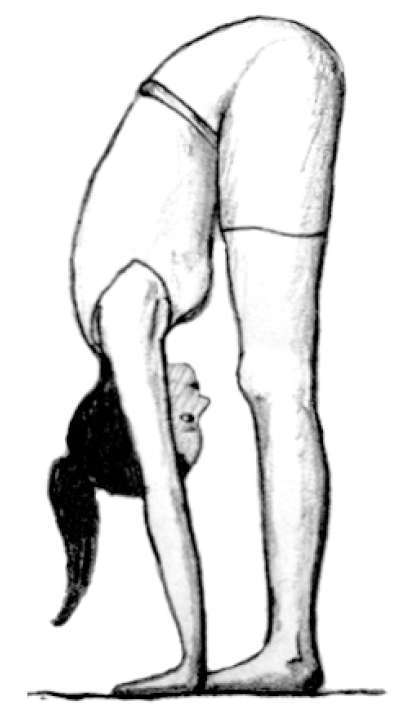
Bring the right leg also between the arms, raise the hips and lower the head between the knees. The palms remain on the floor, next to the feet, like in posture three. Exhale.
11. Raised arms pose (hasta uttanasana)
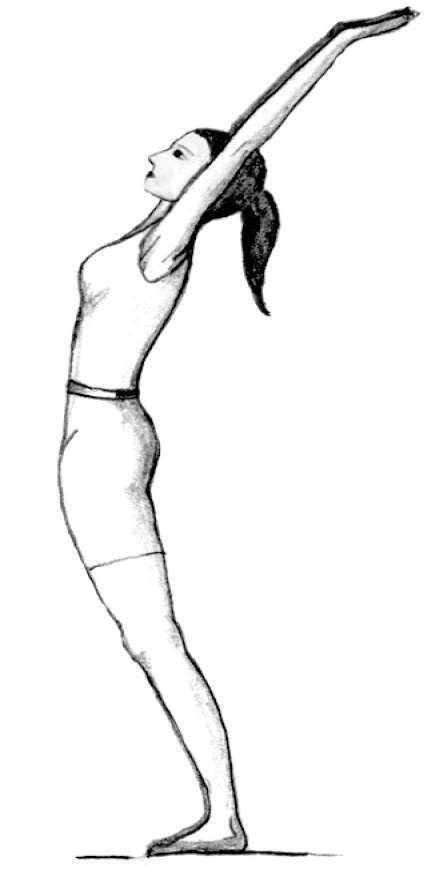
Lift the upper part of the body, stretch the arms above the head, harden the spine, like in posture two. Inhale as you take this position.
12. Prayer pose (pranamasana)
Straighten the body, bring the hands together palm-to-palm, like in posture one, and exhale.